
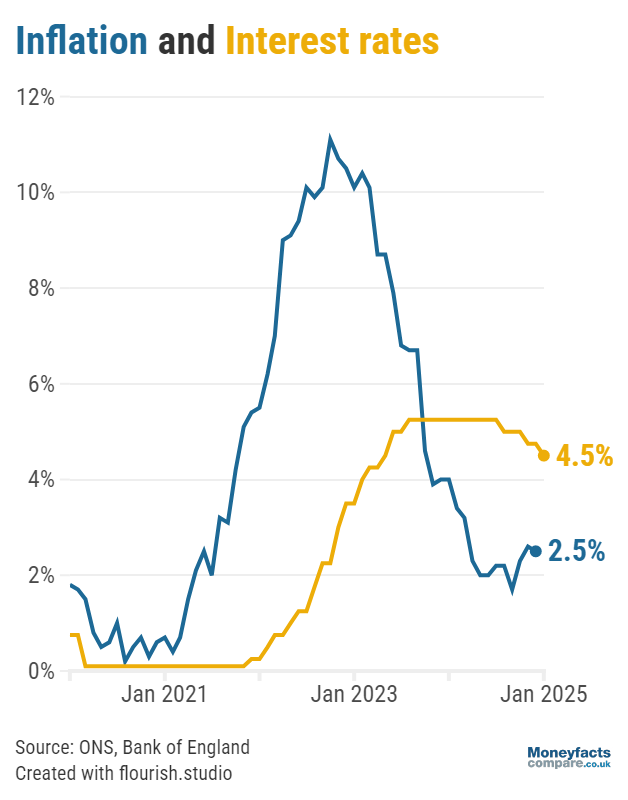
Many people expect that when the Bank of England (BoE) cuts its base rate, mortgage rates—especially fixed rates—should fall too. However, in 2025, we’re seeing a puzzling trend: fixed rate mortgage prices are creeping up, even as the BoE base rate is being reduced. Here’s a clear explanation of why this is happening, and why some lenders’ rates are higher than others.
How Mortgage Rates Are Set: The Basics
- The BoE base rate is the interest rate at which the central bank lends to other banks. It acts as a benchmark for the cost of borrowing across the UK economy.
- “Tracker” mortgages are directly linked to the base rate, so when the base rate falls, these rates usually drop too—often immediately or within a month.
- Fixed rate mortgages, however, are not directly tied to the current base rate. Instead, they’re influenced by what banks and investors expect to happen to interest rates over the next two, five, or more years—the length of the fixed term.
- Variable rate mortgages are slightly different. The rate is set by the lender, and is changed at their discretion. They generally follow the BoE base rate, but don’t always – because they don’t have to.
Why Fixed Rate Mortgages Can Rise Even as the Base Rate Falls
- Expectations Matter More Than Today’s Rate: Lenders set fixed rates based on their predictions of where interest rates, inflation, and the wider economy are heading—not just on today’s base rate.
- Swap Rates and Market Forces: Banks use financial contracts called “swap rates” to lock in funding for fixed rate mortgages. Swap rates are driven by expectations for future interest rates, inflation, and global economic trends.
If markets think inflation will stay higher for longer, or that rates will rise again, swap rates can go up—even if the base rate is falling.
- Recent Market Uncertainty: In 2025, global economic uncertainty and doubts about how quickly inflation will fall have pushed up swap rates, making it more expensive for banks to offer fixed rate deals. This is why fixed mortgage rates can rise, or at least not fall as quickly as the BoE base rate.
Why Do Some Lenders Charge Higher Rates Than Others?
Mortgage rates can vary from one lender to another for several reasons:
- Risk Assessment: Lenders assess the risk of each borrower. If you have a history of missed payments, defaults, or other adverse credit, you’re seen as a higher risk. To compensate, lenders charge higher interest rates or require bigger deposits.
- Specialist Lenders: Some lenders specialise in “adverse credit” or “bad credit” mortgages. They accept riskier borrowers, but their rates are higher to balance the greater chance of missed payments.
- Deposit Size and Loan-to-Value (LTV): The more you can put down as a deposit, the lower the risk for the lender, which usually means a lower rate. Smaller deposits mean higher risk and higher rates.
- Lender Strategy and Competition: Some lenders may offer lower rates to attract certain types of customers or to compete in specific regions or market segments. Others may keep rates higher if they’re not seeking to grow their mortgage book aggressively.
- Fees and Extras: Some lenders offer lower rates but charge higher fees, while others do the opposite. It’s important to look at the total cost, not just the headline rate.
- Fixed rate mortgages are priced based on what banks think will happen to interest rates and inflation in the future, not just what the BoE base rate is today. If markets are worried about inflation or global instability, fixed rates can rise—even if the base rate is falling.
- Lenders charge higher rates to people with poor credit or small deposits because they’re taking on more risk.
- Different lenders have different business models, risk appetites, and competitive strategies, so rates can vary across the market.